
Black Mold Symptoms: How to Tell If Mold Is Making You Sick
- April 13, 2026
- Posted by: ajglover
- Category: Uncategorized
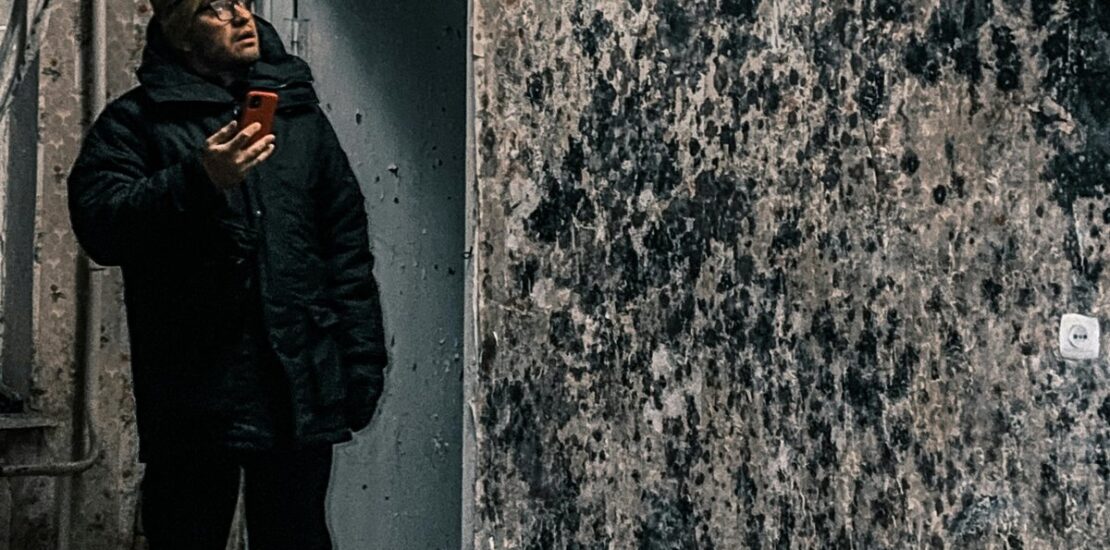
Black Mold Symptoms: How to Tell If Mold Is Making You Sick
If you’ve noticed a musty smell, unexplained respiratory symptoms, or dark spots on your walls, you may be wondering whether black mold is to blame. This guide covers the most common black mold symptoms in humans, how to identify black mold in your home, and what to do if you suspect you have a mold problem.
What Is Black Mold?
Stachybotrys chartarum — commonly called black mold or toxic black mold — is a greenish-black mold that grows on materials with high cellulose content (drywall, wood, paper) in consistently wet conditions. It produces mycotoxins that can cause health problems with prolonged exposure.
It’s worth noting that not all black-colored mold is Stachybotrys, and not all toxic mold is black. Many common mold species (Cladosporium, Aspergillus, Penicillium) can cause health symptoms similar to those attributed to black mold. Any significant mold growth should be taken seriously regardless of color.
Common Black Mold Symptoms in Humans
Mold-related health symptoms vary by individual. People with allergies, asthma, or compromised immune systems are most vulnerable. Common symptoms associated with mold exposure include:
Respiratory Symptoms
- Chronic coughing or wheezing
- Shortness of breath
- Nasal congestion or runny nose
- Throat irritation
- Frequent respiratory infections
- Worsening asthma symptoms
Allergy-Like Symptoms
- Sneezing
- Red, itchy, or watery eyes
- Skin rashes or irritation
- Itchy throat or nose
Neurological & Systemic Symptoms (Prolonged Exposure)
- Headaches or migraines
- Fatigue and brain fog
- Difficulty concentrating
- Memory problems
- Dizziness
Important: These symptoms overlap with many other conditions. If you’re experiencing persistent symptoms, consult a doctor — and also have your home inspected for mold, as eliminating exposure is often the most effective step.
Key Sign: Symptoms That Improve When You Leave Home
One of the strongest indicators that mold may be causing your symptoms is a clear pattern: you feel worse at home and better when away. If your respiratory or allergy symptoms consistently improve after a few days away from home (on vacation, traveling for work) and return when you come back, mold exposure is a likely contributing factor.
How to Identify Black Mold in Your Home
Visual Signs
- Dark greenish-black spots or patches on walls, ceilings, or floors
- Discoloration around HVAC vents or air ducts
- Staining on bathroom grout, caulk, or tile
- Dark patches on basement walls or crawl space framing
- Black or dark spots on attic sheathing or rafters
Non-Visual Signs
- Musty odor: A persistent earthy or musty smell is often the first sign of hidden mold, even when nothing is visible
- Water damage history: Past leaks, flooding, or condensation problems create ideal mold conditions
- High humidity: Indoor humidity consistently above 60% supports mold growth
- Warped or buckled materials: Swollen drywall, buckling floors, or peeling paint indicate moisture and possible mold behind surfaces
Where Black Mold Hides
Black mold often grows in areas you can’t easily see:
- Behind drywall near plumbing leaks
- Inside HVAC systems and ductwork
- Under carpets and flooring after water damage
- In attic spaces with inadequate ventilation
- In crawl spaces with ground moisture
- Inside wall cavities near windows with condensation
- Under sinks and behind refrigerators
What to Do If You Suspect Black Mold
- Don’t disturb it. Scrubbing or spraying bleach on mold can release millions of spores into the air, spreading contamination throughout your home.
- Get a professional inspection. A certified mold remediation specialist can identify all mold sources, including hidden ones, and assess moisture levels throughout your home.
- Address the moisture source. Mold always has a moisture source. Without fixing it, mold will return even after remediation.
- Consider professional remediation. For any significant mold growth (typically larger than 10 square feet, per EPA guidelines), professional remediation is recommended.
Should You Test for Mold?
DIY mold test kits are widely available but have significant limitations — they can’t identify the source, extent, or severity of mold growth. A professional visual inspection combined with moisture readings is usually more informative and actionable than a test kit alone.
If you want lab confirmation of mold species, a certified inspector can collect samples and send them to an accredited lab. This can be useful for insurance claims or post-remediation clearance testing.
Free Mold Inspection in Maryland, DC & Northern Virginia
If you’re concerned about mold in your home, FreshStep Mold Remediation offers a 100% free inspection with no inspection fees — ever. Our IICRC-certified technicians will assess your home, identify all mold sources, and provide a written estimate at no charge.
Call (240) 551-6802 or contact us online. We serve all of Maryland, Washington DC, and Northern Virginia.
Why Choose FreshStep?
- 2-Year Mold-Free Guarantee — If mold returns to a treated area within 2 years, we come back at no charge.
- Licensed & Certified — Maryland Mold Remediation License #114938. IICRC Certified technicians on every job.
- Flexible Payment Plans — 50% down to start, with the remaining balance split into 2–3 monthly payments. No lump-sum required.
- Free Inspection & Estimate — No fees, no commitment. We inspect, provide a written report, and you decide.